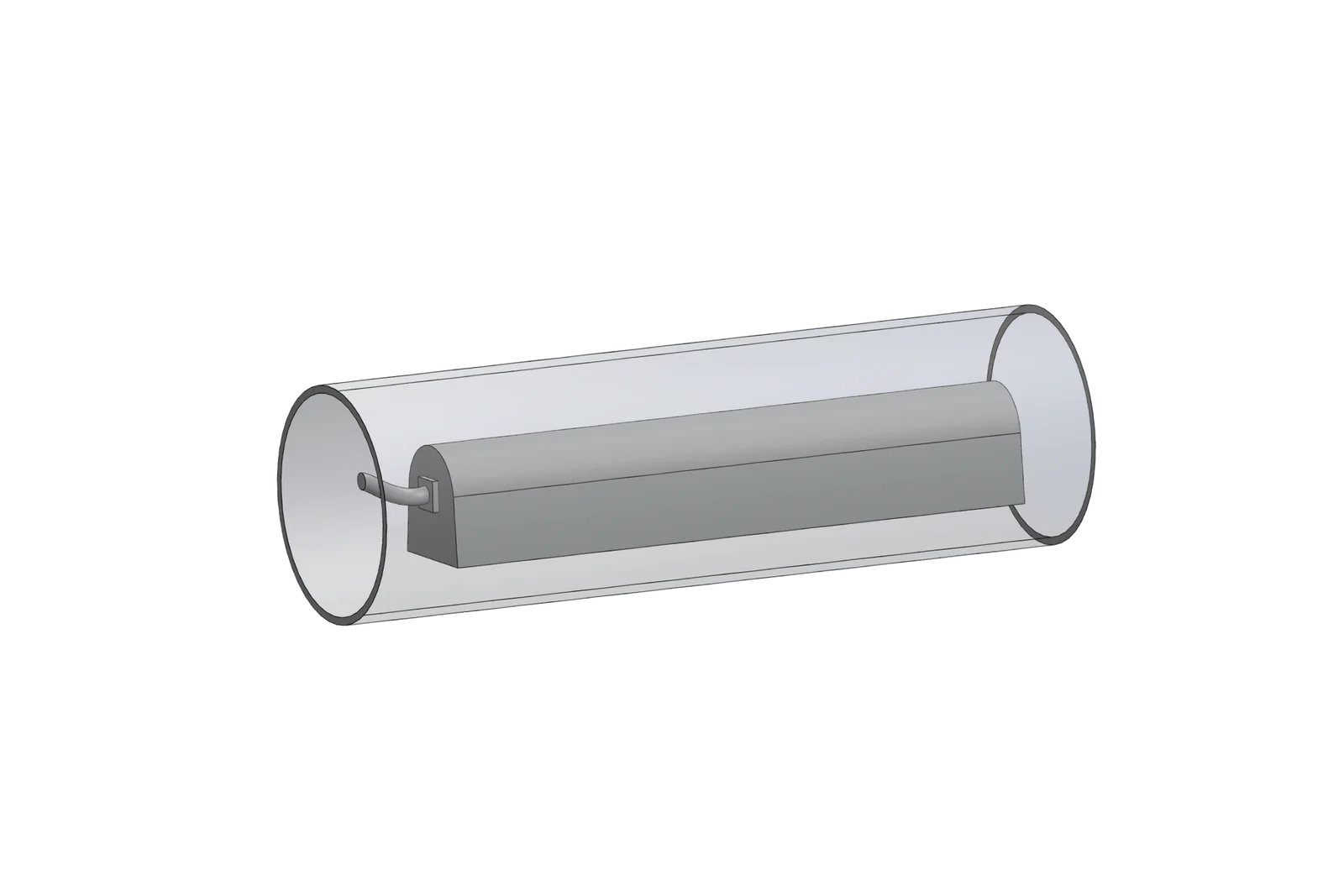
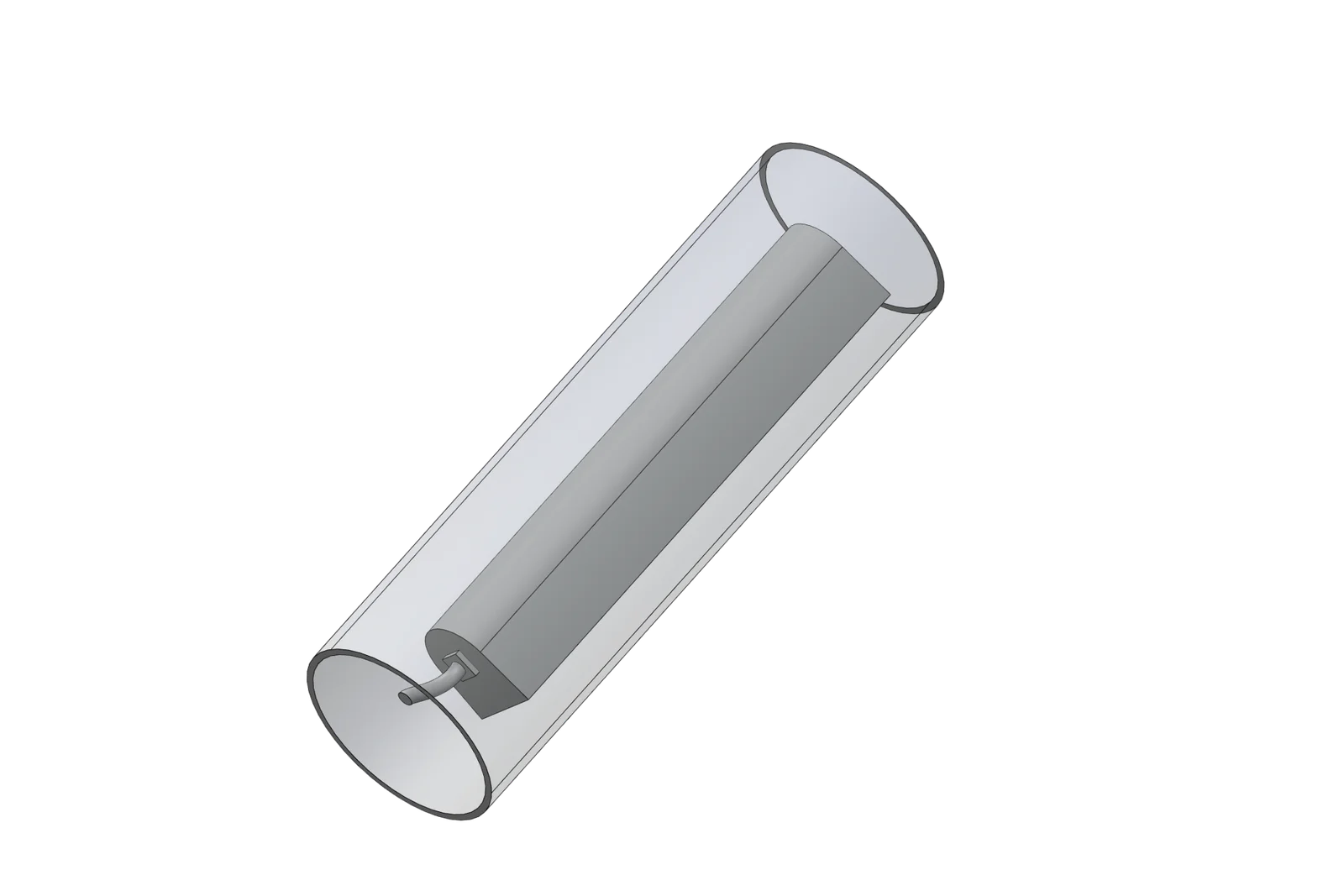
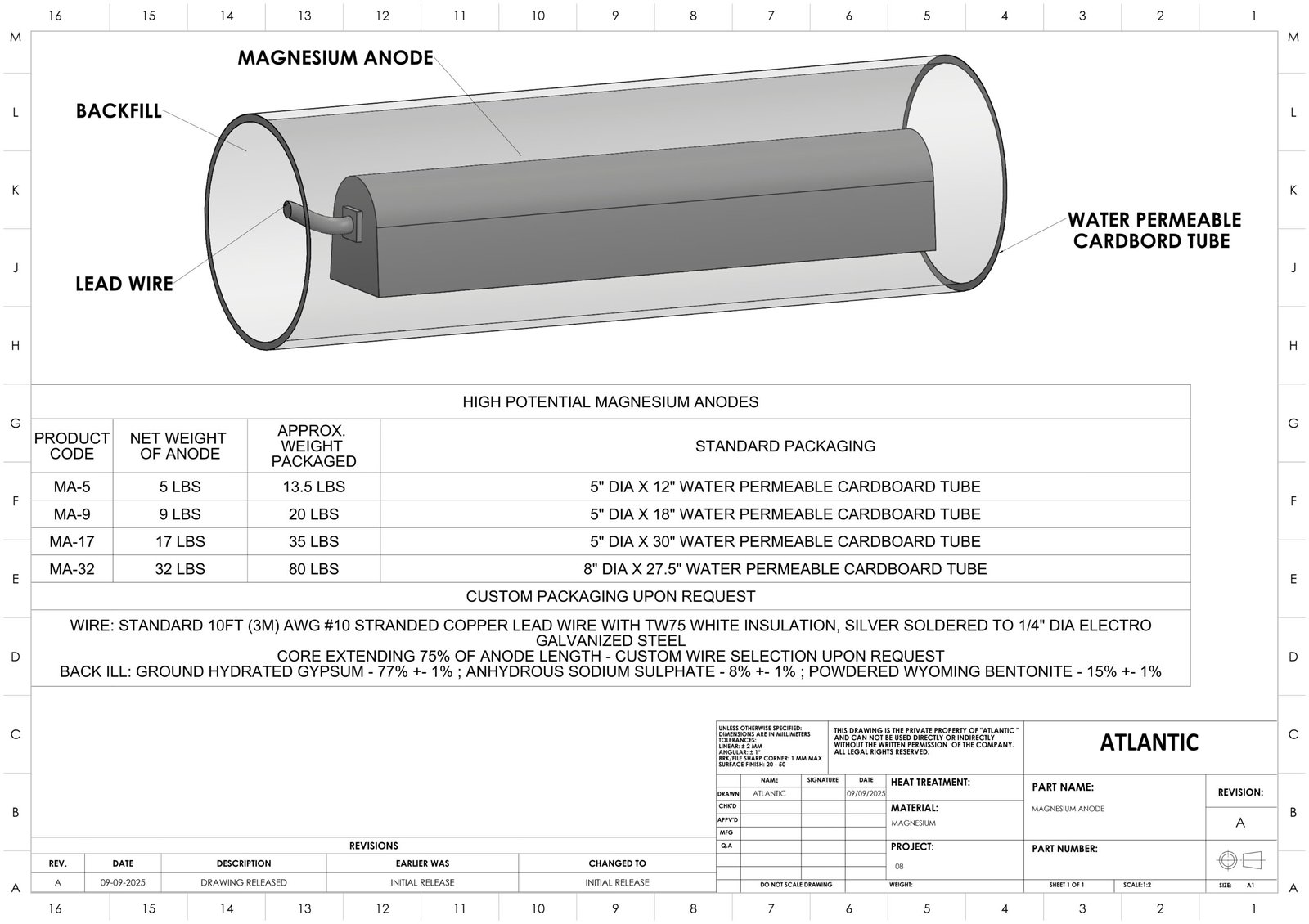
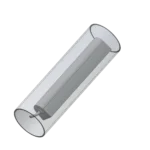
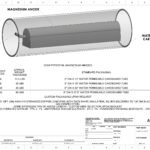
The Magnesium Anodes is engineered for highly effective sacrificial anodes used in cathodic protection systems to safeguard steel structures, pipelines, storage tanks, and water heaters from corrosion. Known for their superior driving potential, they provide reliable protection in soil, freshwater, and other low-resistivity environments. Manufactured from high-purity magnesium, these anodes ensure consistent performance, long service life, and cost-effective protection. They are available in standard and high-potential grades to meet diverse industrial applications. Easy to install and maintain, magnesium anodes are an environmentally friendly and dependable solution for controlling corrosion and extending the lifespan of buried or submerged metal assets
| Item |
Magnesium Anodes |
| Product Description |
High Potential Magnesium Anodes |
| Material |
Magnesium |
| Coating |
Uncoated |
| Standard / Classifications |
ASTM B843 (latest edition) |
Installation Steps
- Determine the required anode size and type based on soil resistivity and structure protection needs.
- Excavate a pit or trench at the specified distance from the structure to be protected.
- Prepare a backfill mixture (typically gypsum, bentonite, and sodium sulfate) if using packaged anodes.
- Place the magnesium anode in the trench or pit, ensuring the lead wire is positioned toward the structure.
- Connect the anode lead wire to the structure using approved welding or mechanical connection methods.
- Verify electrical continuity and measure the open-circuit potential before backfilling.
- Backfill carefully with native soil or prepared backfill, compacting gently to ensure good soil contact.
- Test the system after installation to confirm proper cathodic protection performance.
Common Applications
- The magnesium anodes are implied where there is the soft water or moderate hard water.
- When there is no sulphur present in the water.
- When there is need of maximum corrosion protection in standard residential setups.
- Water Pipelines: Provides cathodic protection for underground steel and ductile iron pipelines
- Storage Tanks: Ideal for protecting buried and above-ground steel storage tanks from corrosion
- Oil & Gas Industry: Used to safeguard steel pipelines, fittings, and buried infrastructure
- Residential & Commercial Plumbing: Prevents corrosion in water heaters and metal plumbing
systems
- Marine Structures: Helps protect docks, piers, and submerged metal components in
low-conductivity waters